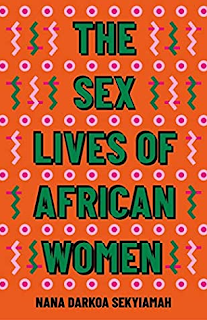
The Sex Lives of African Women was, without exaggeration, one of the most beautiful books I’ve ever read.
Not because it was easy. Not because it was comforting. But because it was real — raw, unapologetic, and deeply human.
I came into it with assumptions I didn’t even know I carried: that sexuality for African women was either silent or sacred — never both, never messy, never chosen. But this book shattered that. It didn’t just talk about sex — it celebrated it as a landscape of autonomy, resistance, joy, and sometimes, quiet rebellion.
I read about open marriages — not as scandal, but as negotiated intimacy. Women who, with clarity and care, built relationships that didn’t fit the script but still held love, trust, and dignity. At first, it unsettled me. I didn’t understand it. I didn’t think I could understand it. But then I realized: maybe my discomfort wasn’t about them — maybe it was about how little I’d ever been allowed to imagine my own desires outside of someone else’s rules.
I read about women who became third wives — not because they were forced, but because they chose it, within their own cultural and emotional frameworks. I read about sex workers who spoke not of victimhood, but of agency — of earning their own money, setting their own boundaries, and finding community in places no one else would look. I read about trans men navigating identity, love, and family in societies that often refuse to see them at all — and still, they persisted. Not in defiance, but in dignity.
What moved me most wasn’t the shock of it all — though there was plenty of that — but the absence of shame. In these pages, sex wasn’t hidden behind closed doors or whispered about in guilt. It was talked about. Questioned. Claimed. Celebrated. Even when it was complicated. Even when it hurt.
I used to think liberation meant conforming to Western ideas of feminism — loud, individualistic, confrontational. But this book taught me that liberation can also be quiet. It can be a woman choosing her own path, even if no one else understands it. It can be saying “yes” to what fulfills you, even if it looks different from what you were taught. It can be saying “no” to shame — even when the world keeps whispering it in your ear.
This book didn’t give me answers.
It gave me permission to wonder, to feel, to question, to sit with discomfort, and still, to love.


Leave a Reply